

The Complete Baby Care Guide: Feeding, Sleep, Development & Safety
The Complete Baby Care Guide: Feeding, Sleep, Development & Safety
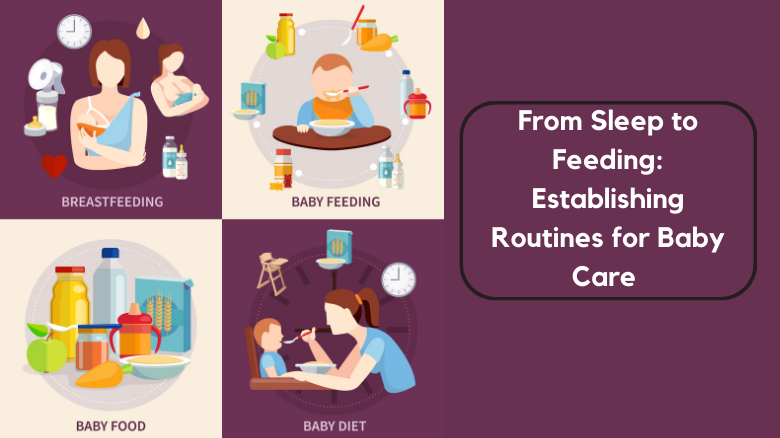
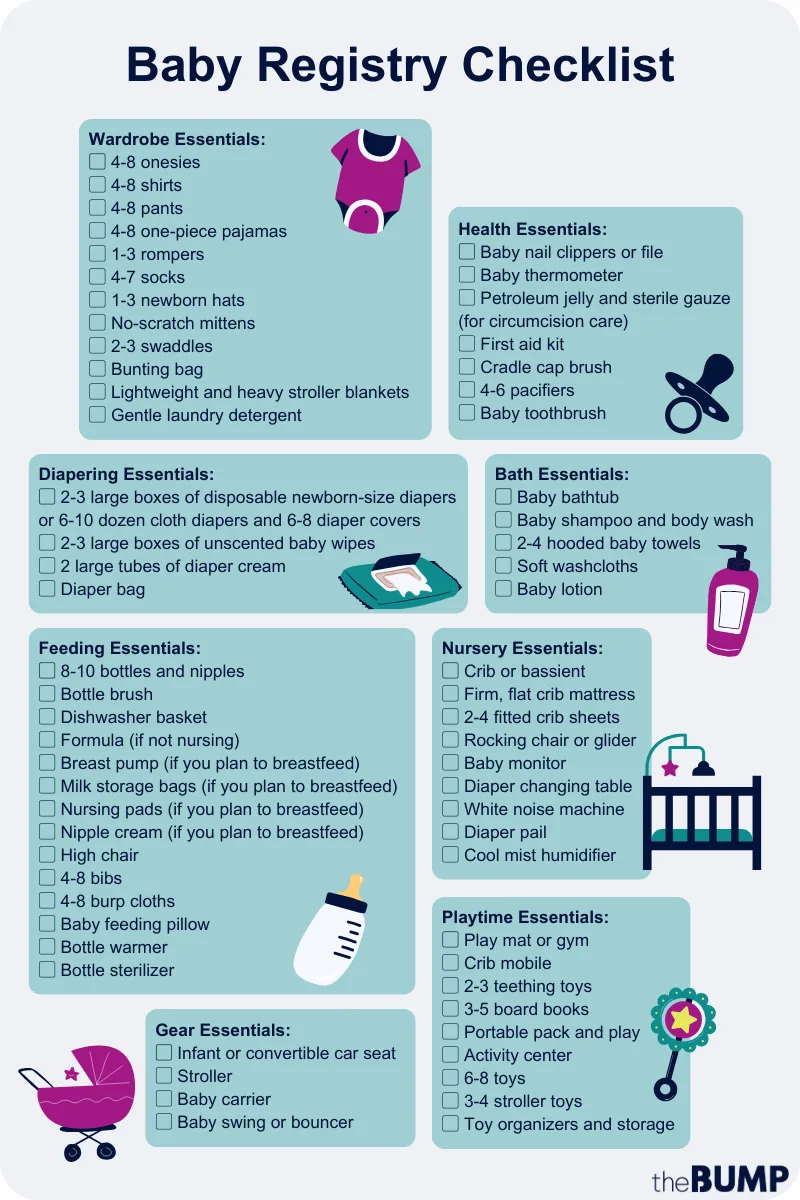
Caring for a baby can feel overwhelming—especially for new parents. Feeding schedules, sleep routines, developmental milestones, and safety concerns often come with endless questions. This complete guide brings everything together in one place to help you care for your baby with confidence, calm, and clarity.
Below, we’ll walk through the four pillars of baby care: Feeding, Sleep, Development, and Safety—with practical tips you can trust.
🍼 Feeding: Building a Healthy Foundation

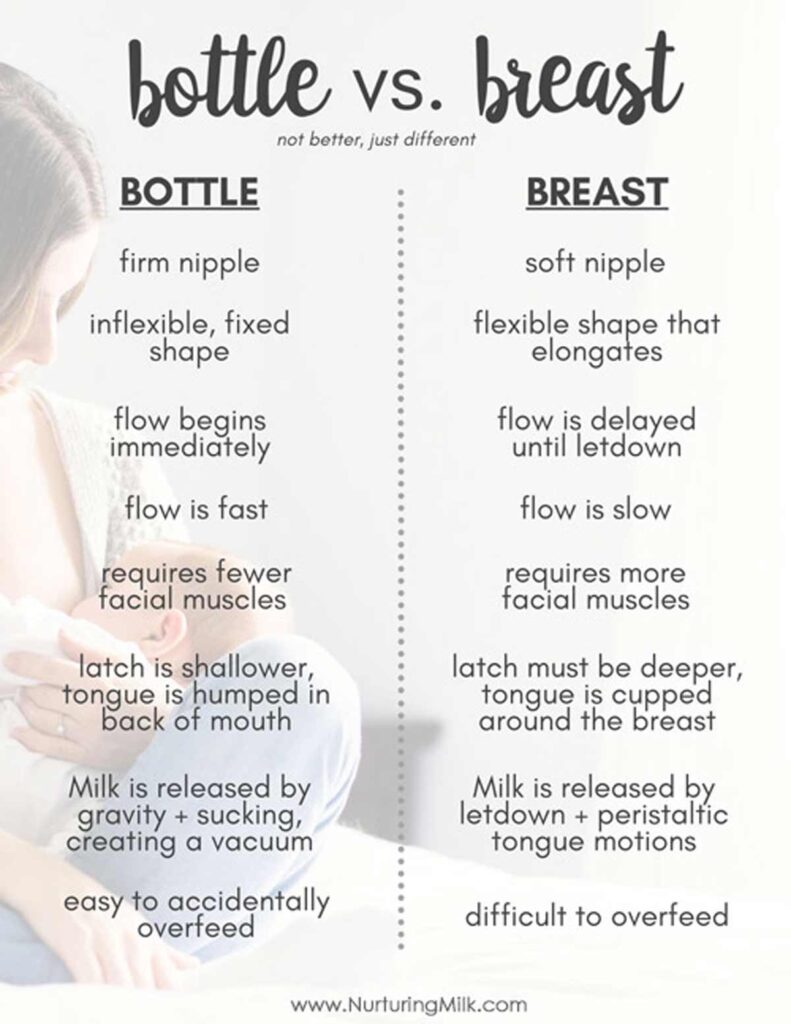
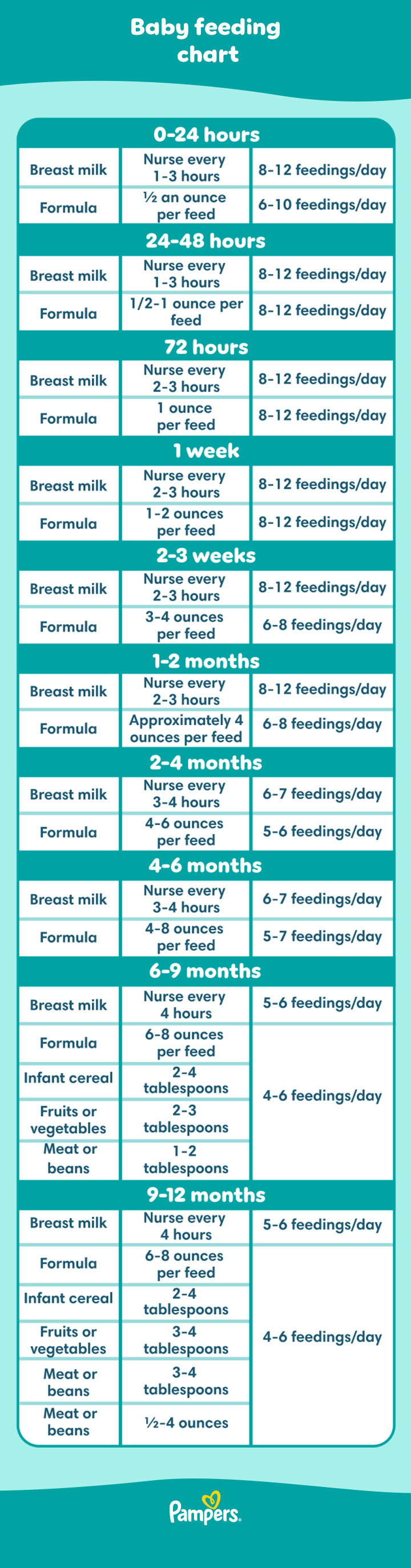
Feeding is more than nutrition—it’s comfort, bonding, and growth.
Feeding Basics
-
Newborns typically eat every 2–3 hours
-
Both breastfeeding and bottle feeding can support healthy development
-
Hunger cues are more reliable than the clock
Signs Your Baby Is Feeding Well
-
Steady weight gain
-
Regular wet diapers
-
Calm, satisfied behavior after feeding
Parent tip: Every baby is different. What matters most is consistency and responsiveness—not perfection.
👉 Related reading:
-
Newborn Feeding Guide
-
How Often Should a Newborn Eat?
😴 Sleep: Creating Restful Routines

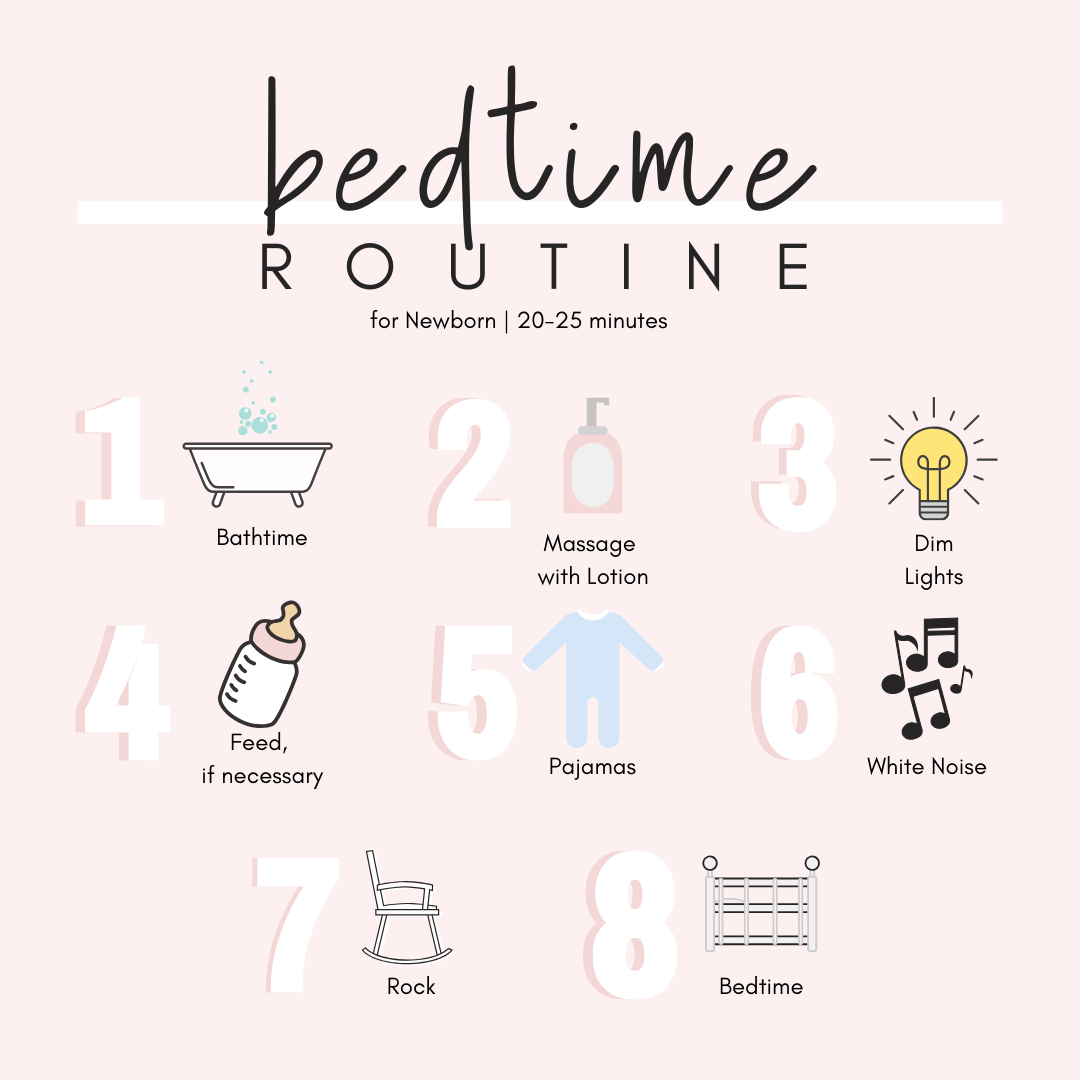

Sleep supports brain development and emotional regulation—for babies and parents.
What to Expect
-
Newborns sleep 14–17 hours per day, often in short stretches
-
Night waking is normal in the first months
Gentle Sleep Tips
-
Establish a calm bedtime routine
-
Keep sleep environments dark, quiet, and cool
-
Put baby down when drowsy but awake
Safe Sleep Essentials
-
Place baby on their back to sleep
-
Use a firm mattress with no loose items
👉 Related reading:
-
Newborn Sleep Schedule
-
Safe Sleep Tips for Newborns
🧠 Development: Supporting Growth Through Play

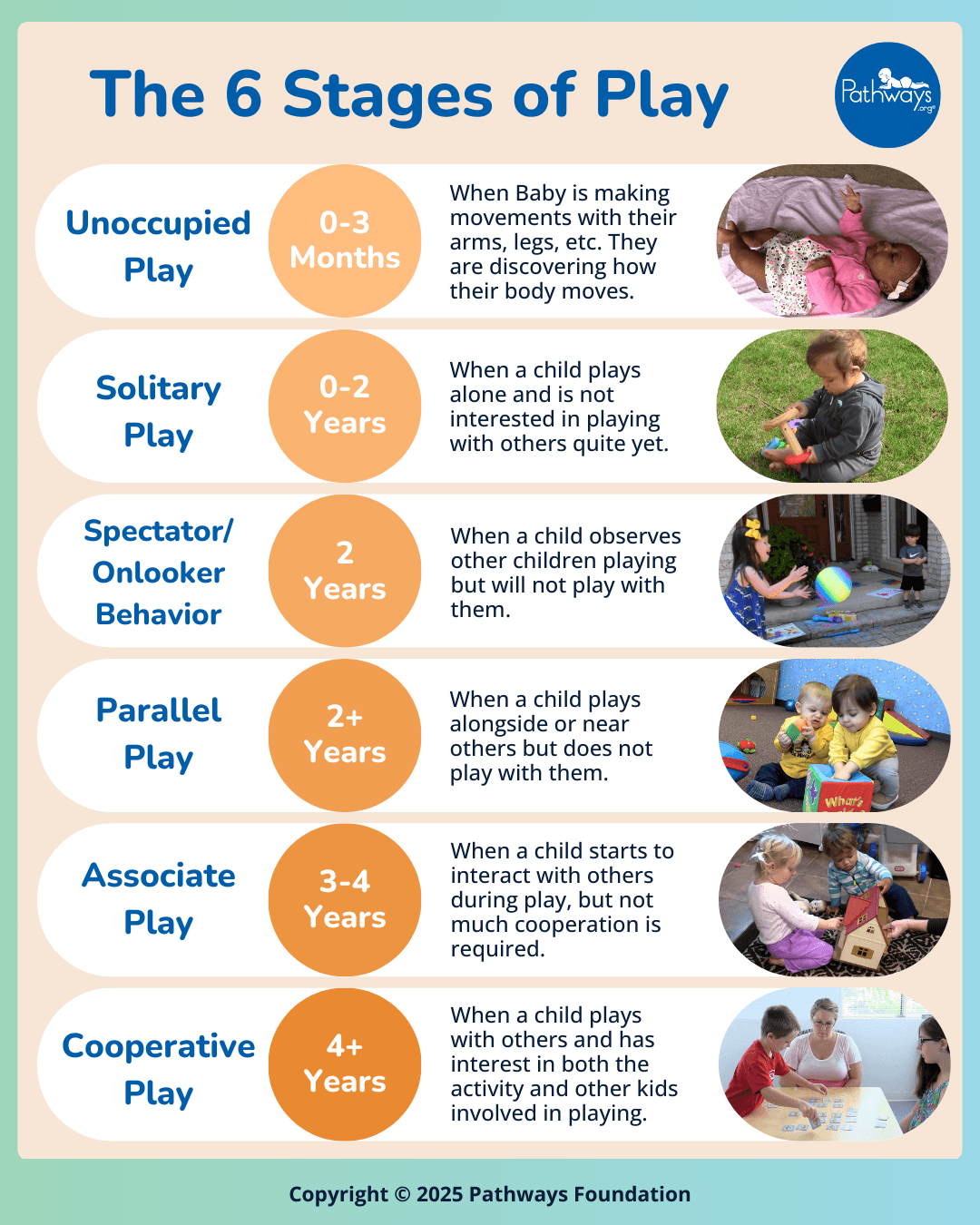
Babies learn through movement, interaction, and play.
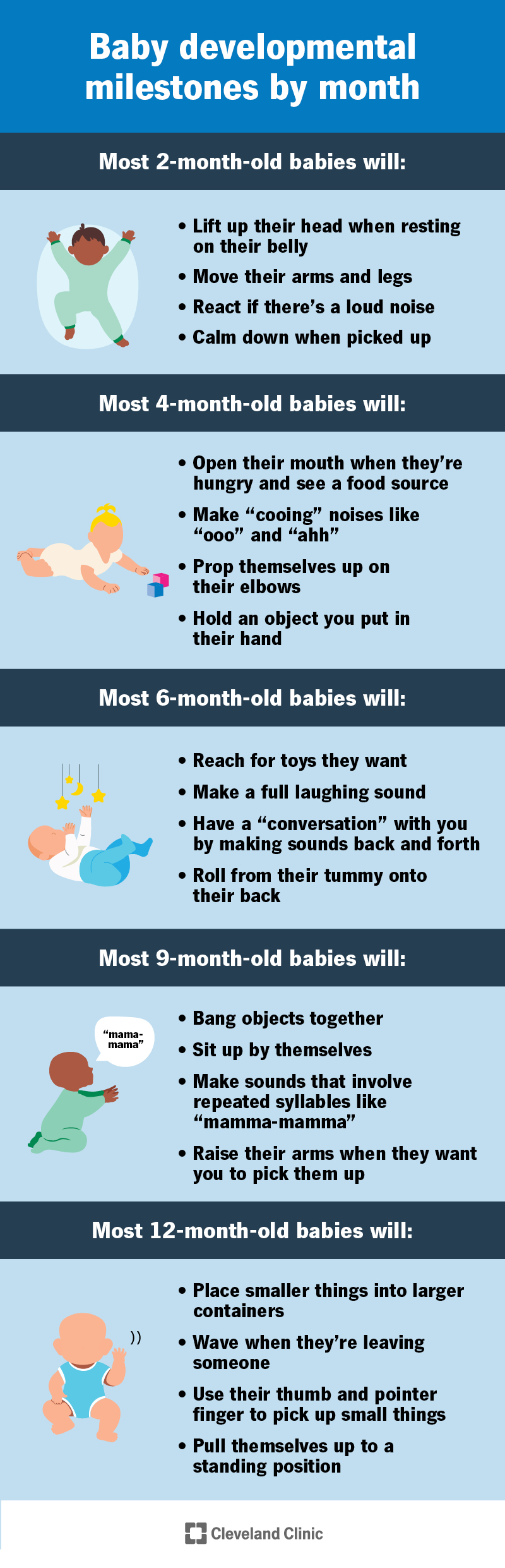
Developmental Milestones
-
Smiling and eye contact
-
Rolling, sitting, crawling
-
Reaching, grasping, and exploring
How to Support Development
-
Offer age-appropriate toys
-
Encourage tummy time daily
-
Talk, sing, and respond to your baby
Remember: Milestones are guidelines—not deadlines.
👉 Related reading:
-
Baby Development Milestones by Month
-
Best Toys for Baby Development
🛡 Safety: Creating a Secure Environment
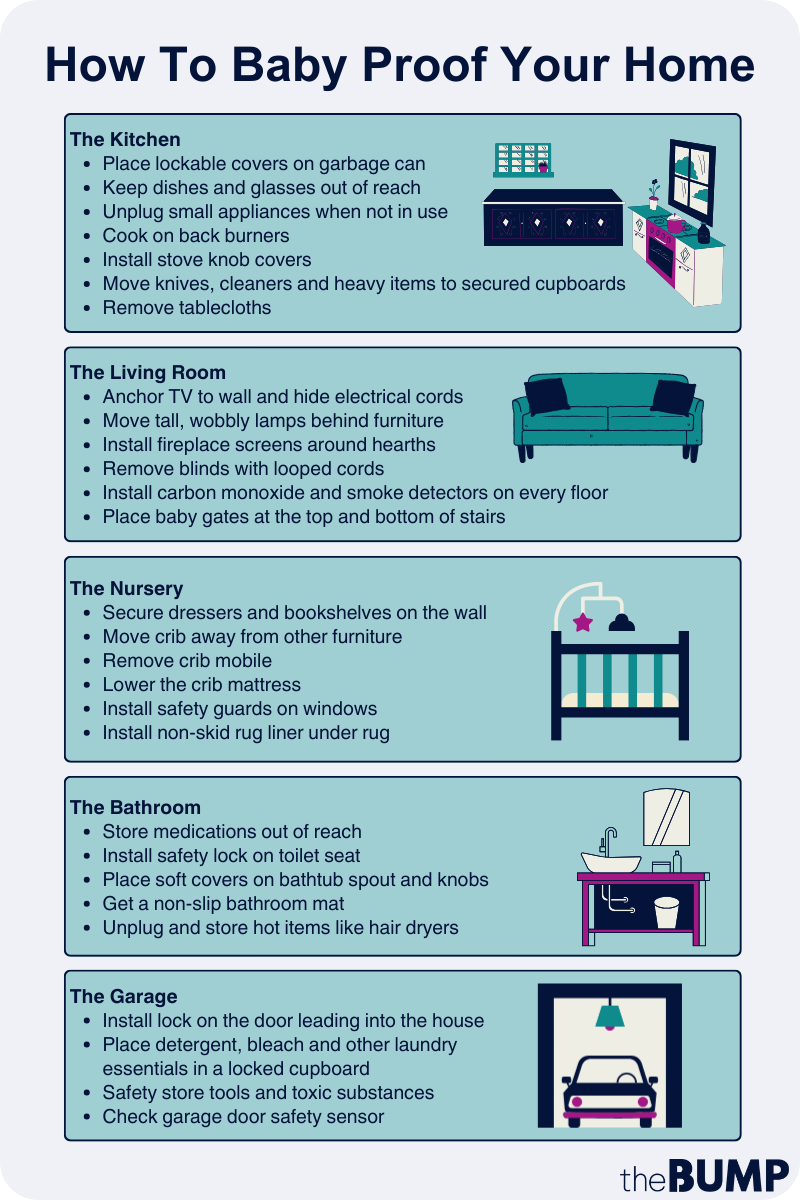
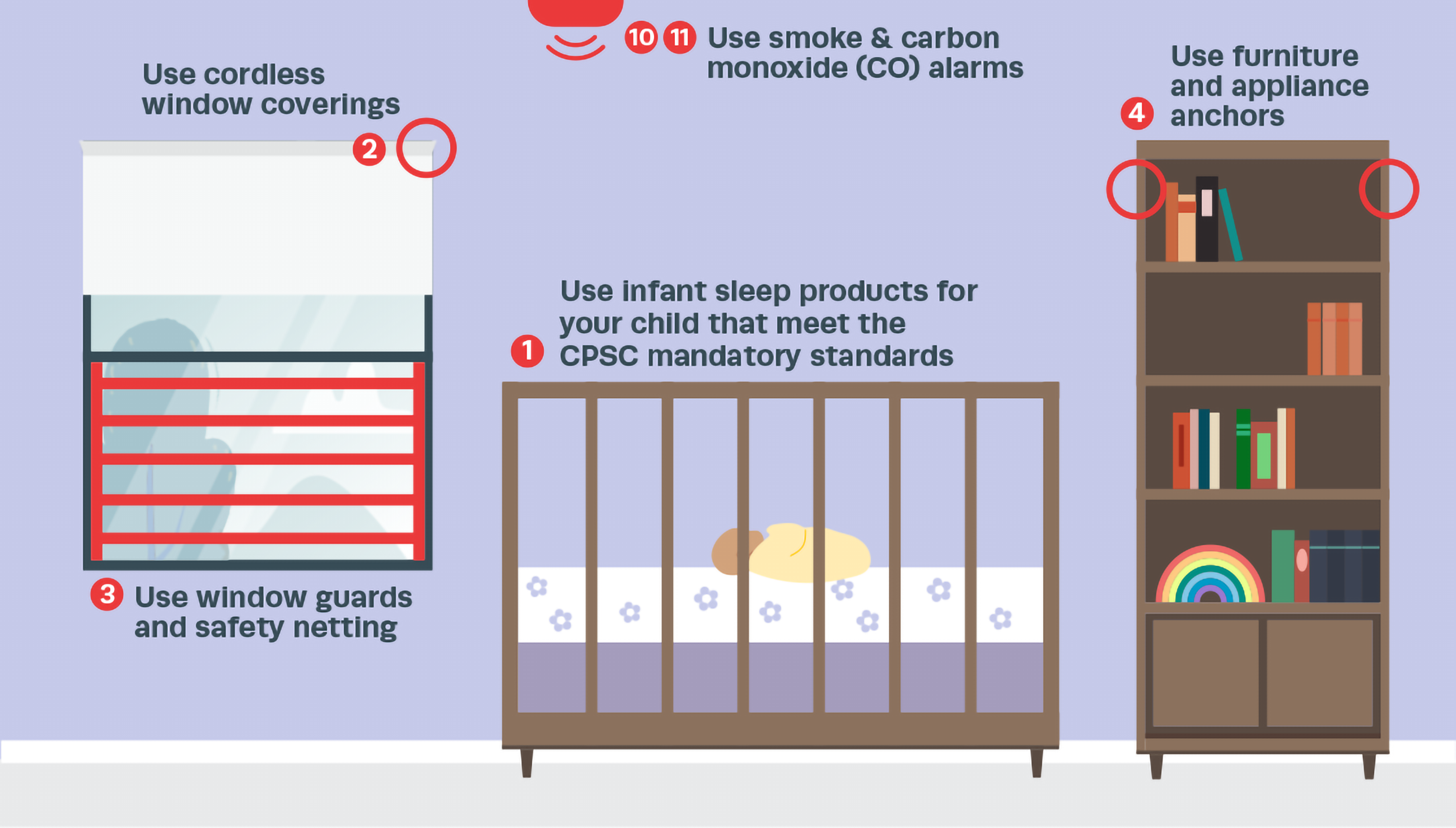

Safety is the foundation that allows babies to explore and grow freely.
Home Safety Basics
-
Babyproof sharp edges and outlets
-
Secure furniture and gates
-
Keep small objects out of reach
Bath & Daily Safety
-
Never leave baby unattended in water
-
Check water temperature before baths
-
Use baby-safe care tools only
👉 Related reading:
-
Babyproofing Your Home
-
Essential Baby Safety Tips
A Simple Daily Baby Care Routine
Morning
-
Feeding
-
Play & tummy time
-
Nap
Afternoon
-
Feeding
-
Gentle activity or outdoor air
-
Nap
Evening
-
Feeding
-
Bath (if needed)
-
Calm bedtime routine
Simple, predictable routines help babies feel secure.
Common Baby Care Mistakes to Avoid
-
Comparing your baby to others
-
Overloading schedules or products
-
Ignoring your instincts
-
Trying to “fix” normal baby behavior
Trust yourself—you’re learning alongside your baby.
Final Thoughts: Care with Confidence
Baby care isn’t about doing everything perfectly. It’s about showing up consistently, responding with love, and creating a safe, supportive environment where your baby can thrive.
With gentle routines and informed choices, you’re already giving your baby exactly what they need.